


Careers
Good work needs people who can be trusted in someone's house.
- Applications
- Open all year
- Reviewed
- As work comes in
- Office
- Ancaster, Ontario
- Work area
- Hamilton to Waterloo
Read this before you decide you want the job.
- The showroom is a van
- There is no shop floor for the public to walk into. Consultants drive to the client's house with door styles, colour and finish samples, hardware and design ideas, and the design happens at somebody's kitchen table in their own light.
- One project, one owner
- Whoever picks a project up stays with it. Fewer handovers, fewer things dropped between people, and a great deal more responsibility resting on whoever answers the phone.
- The client is usually home
- Most of what we do happens in occupied houses, often with children and dogs in them. How you leave a room at the end of the day counts as much as how the door fronts line up.
- Ancaster, and the road
- The administrative office is in Ancaster. The work is spread across Hamilton, Burlington, Oakville, Mississauga, Milton, Cambridge, Kitchener, Waterloo and the counties south of us, so most roles involve driving.
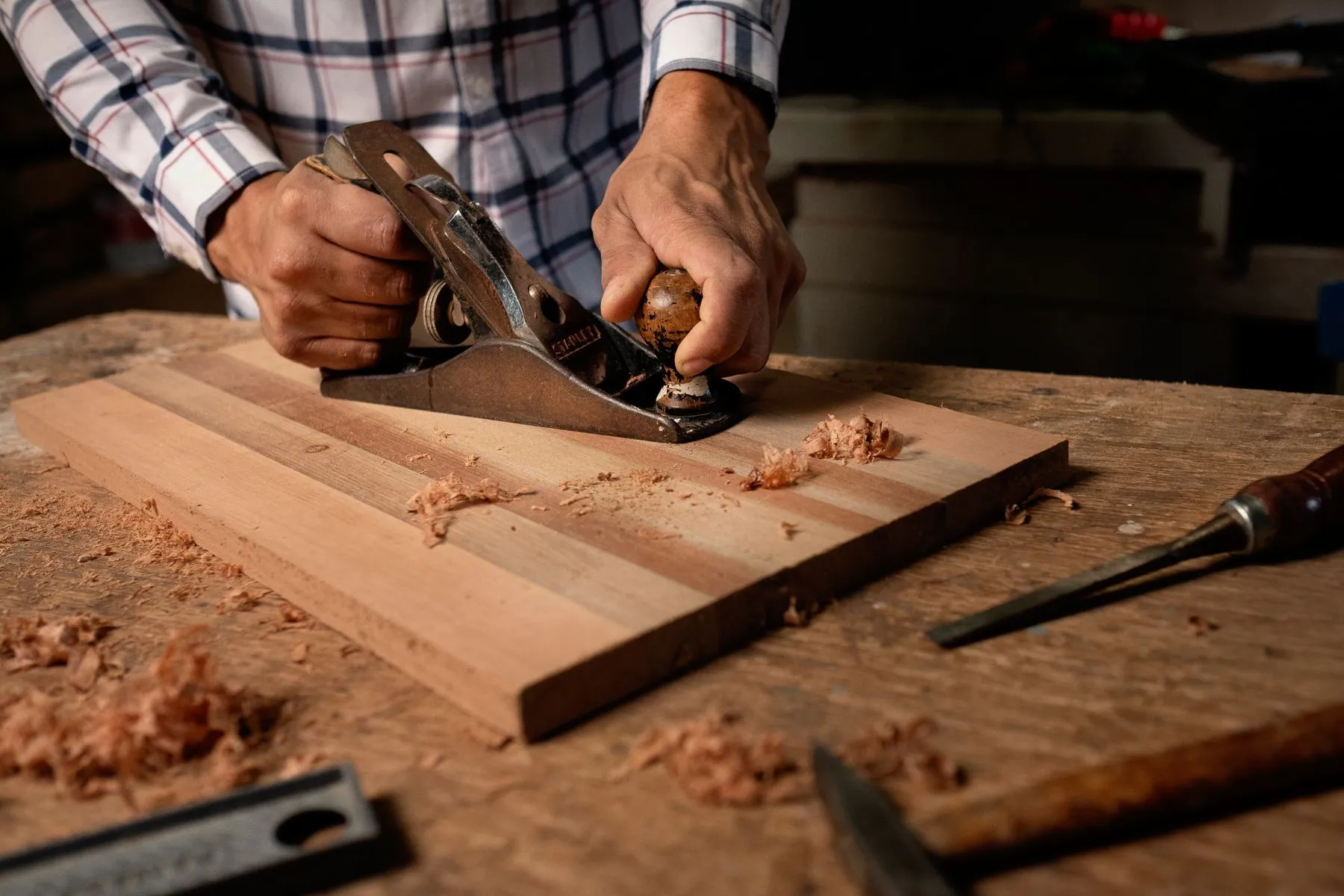
Workshop, road and client’s kitchen — most weeks include all three.
Five roles we are always glad to hear from.
Design
Design Consultant
You are the company in somebody's kitchen. You arrive with the samples, listen properly before you draw anything, take measurements when the client wants to take it further, and turn a single visit into a computerized design and a detailed estimate the client can actually read, back with them within a couple of days. Evenings and Saturdays are part of the job, because that is when people are at home.
What you’d bring
Cabinetry, kitchen or interiors design experience, and software you can produce a clean elevation in
The ability to take an accurate site measure — and to know what will not fit before you draw it
A calm, unpushy manner with people who have just let a stranger into their house
A full licence and a car, since every consultation happens at the client's address
Workshop
Cabinet Maker / Millworker
Cutting, edging, boring, assembling and preparing cabinetry for install — kitchens, vanities, closets, built-ins and the occasional commercial fit-out. Reading a cut list correctly matters more here than working quickly does, because a panel cut to the wrong dimension costs a week, not an hour.
What you’d bring
Hands-on experience with a panel saw and edgebander, and with CNC or line boring
The ability to read shop drawings and a cut list without filling in the gaps by guessing
Care with sheet goods and finished faces — most of what we build is looked at from a metre away
Workshop safety habits you keep on a bad day, not only on a good one
Site
Installer
Fitting finished cabinetry into houses where nothing is square: scribing to walls, levelling on old floors, hanging doors, setting consistent gaps, coordinating with the counter template and leaving the room cleaner than you found it. You are the last person the client sees, so you are the one they remember.
What you’d bring
Proven cabinetry or millwork installation, including scribing and levelling in older homes
Your own hand tools, and the instinct to protect finished surfaces before you start rather than after
Quiet, clean conduct in an occupied house with the family still living in it
A full licence and a reliable vehicle
Office
Project Coordinator
Holding the schedule together between design, the workshop, suppliers and site. Ordering, tracking, chasing the counter template, and telling a client early when a date moves instead of hoping they do not notice. Most of the job is knowing where every project stands without having to go and ask.
What you’d bring
Experience coordinating trades, deliveries or a production schedule
Written and telephone communication a client is glad to receive
Comfort with spreadsheets, order tracking and a shared calendar
The instinct to raise a problem while it is still small
Finishing
Finisher
Preparation, spraying and hand finishing — the stage that decides whether cabinetry reads as made or merely assembled. Colour matching, even sheen across a whole run of doors, and no dust anywhere near the last coat.
What you’d bring
Spray finishing experience with lacquer, 2K or waterborne systems
Preparation discipline: sanding, filling and dust control before anything is sprayed
An eye for colour matching and consistent sheen across an entire kitchen
Respect for the ventilation and safety rules that come with a booth
Common ground
Four things every role here has in common.
Trade skill is the part we can assess in an afternoon. These are the parts we cannot teach, and they are the reason people stay on the file.
- Finish what you start
- A project you picked up is yours until it is installed and signed off. Passing something on half-done, without saying so, is the one habit that does not survive here.
- Say it early
- A dimension that looks wrong, a delivery that will not land, a client who sounded unhappy on the phone. Early news is cheap and late news is not.
- Someone's house, not a site
- Boots off or sheets down, radio at a sensible volume, and the kettle asked about rather than assumed. It is their home for the other twenty hours of the day.
- Canadian spelling and plain words
- Everything we write goes to a client eventually. Say what happened, in the fewest words that are still accurate, and do not dress up a delay as an opportunity.
Send it whenever you are ready.
What to include
A CV, or a straightforward summary of what you have worked on
The role or roles you are interested in, and where you are based
Photographs of cabinetry you have made, finished or installed, if you have them
When you could start, and whether you drive
We read everything that arrives, and we reply when there is something real to say. Applications are reviewed as work comes in rather than against a fixed hiring calendar, so a strong CV can sit on file for a while before it becomes the right one for a project. If your circumstances change, write again — a second email is never a nuisance.
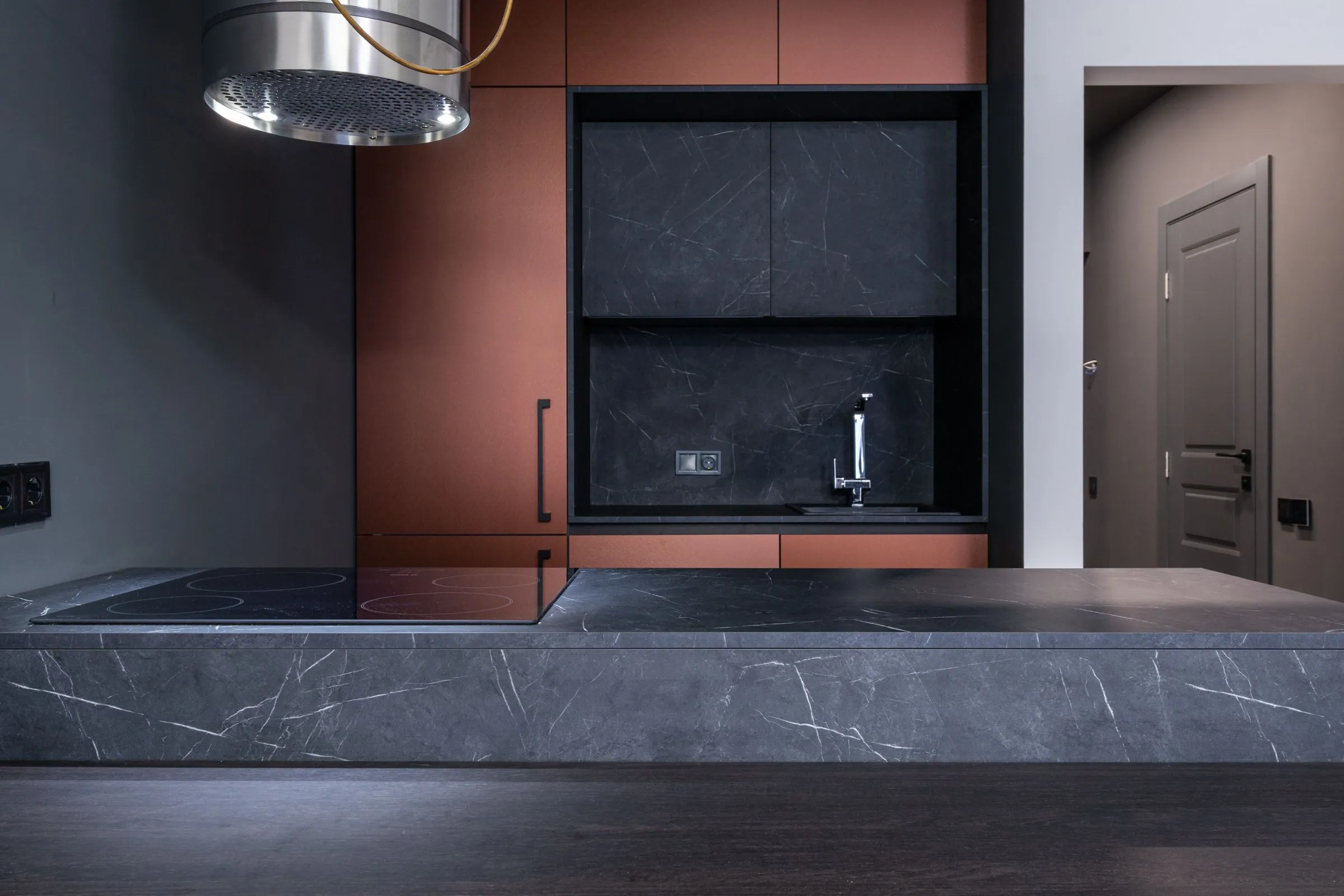
The showroom can be at your house this week.
Choose an hour that suits you. Your consultant arrives with door styles, colour and finish samples, hardware and design ideas — and follows up within a couple of days with a computerized design and a detailed estimate. Free, with no obligation.